Ethnobotanical Garden – An Awesome Collaboration with BERP (Biocultural Education and Research Programme).
This space covers over 2 acres of Andromeda and is divided into 5 spaces (4 at the moment. The 5th is being constructed) – The Community Deck and The Original Ethnobotanical Garden – both funded by Sandals Foundation. The Butterfly Haven/Pollinator Zone, The Ground and The African Connections Garden – funded by private individual donors.
What is Ethnobotany?
It sounds scientific and it is but, in simple terms, ethnobotany refers to the past, present, and future uses of plants by people. This includes ornamental, medicinal, ritual, food, clothing, jewellery etc.
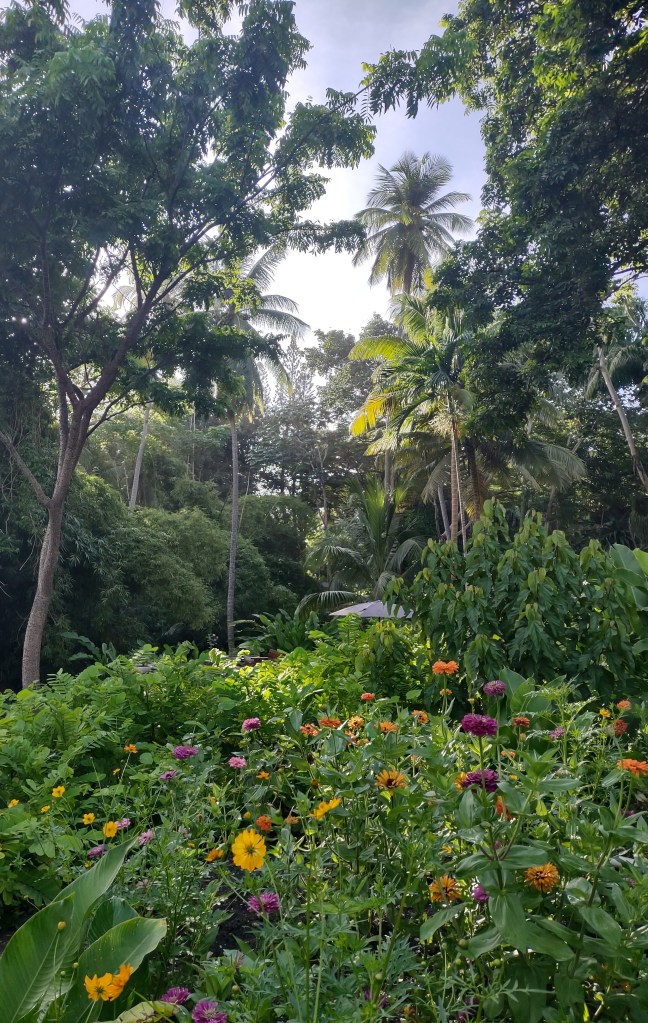
The Biocultural Education and Research Programme was established officially in 2018 to promote the conservation of plant biodiversity in Barbados through education and research. The non-profit organization is managed by a board and executive committee headed by Dr Sonia Peter, Chemist and Ethnobotanist practitioner.
The Andromeda Ethnobotanical Garden is a collaboration between the management of the garden and BERP. Both organisations aim to build on the project and continue to promote plants as heritage and as a valued connection to who we were, who we are, and who we can be.
BERP is proud to have such a great garden to work in, develop, teach in and help connect plants with people. The six year collaboration has lead to the continued development of Andromeda, and the Ethnobotanical Garden in particular. We will continue to work together and will ensure Andromeda is recognised globally as one of the most beautiful and interesting gardens in the world – we and others believe it is already!
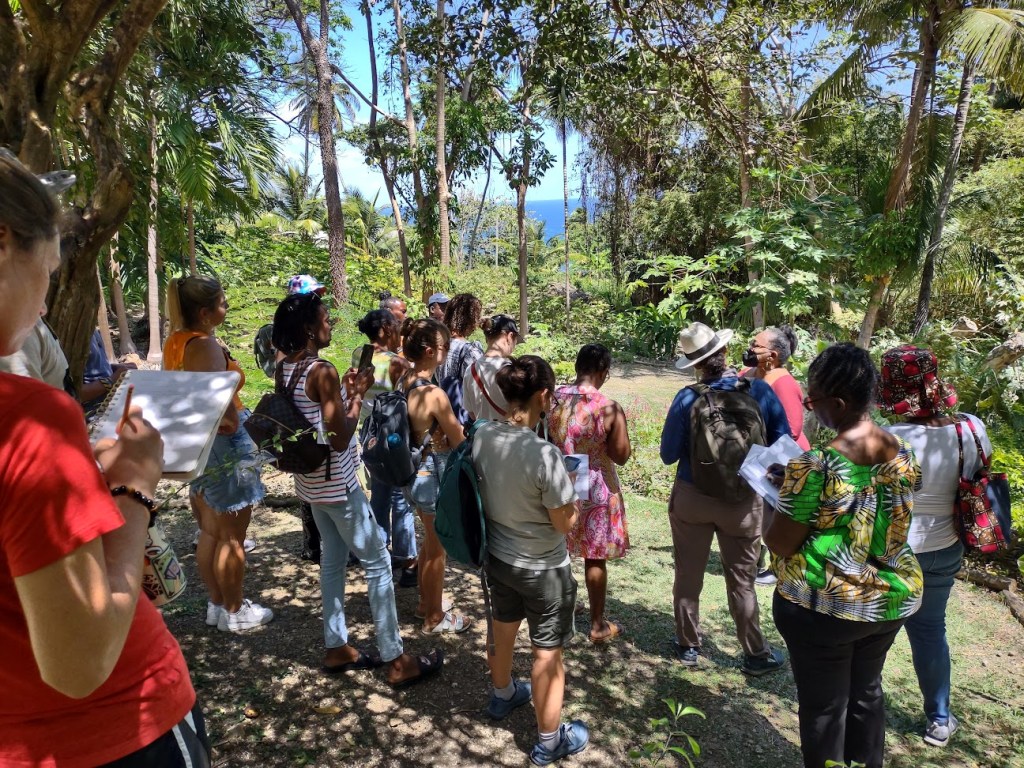
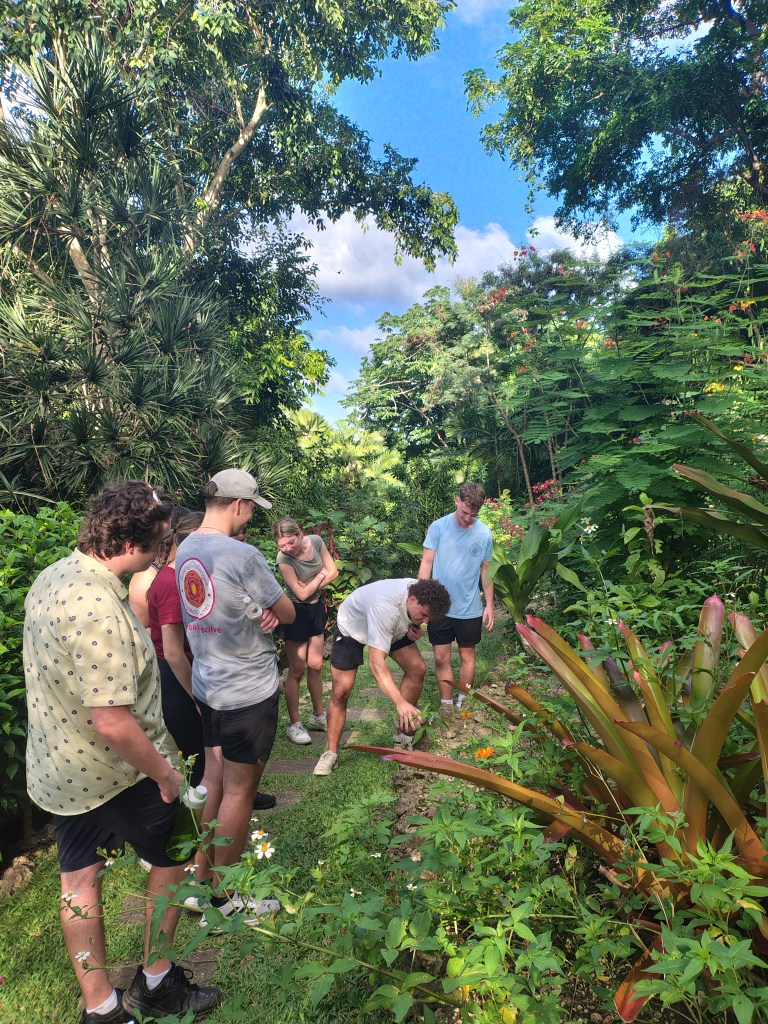
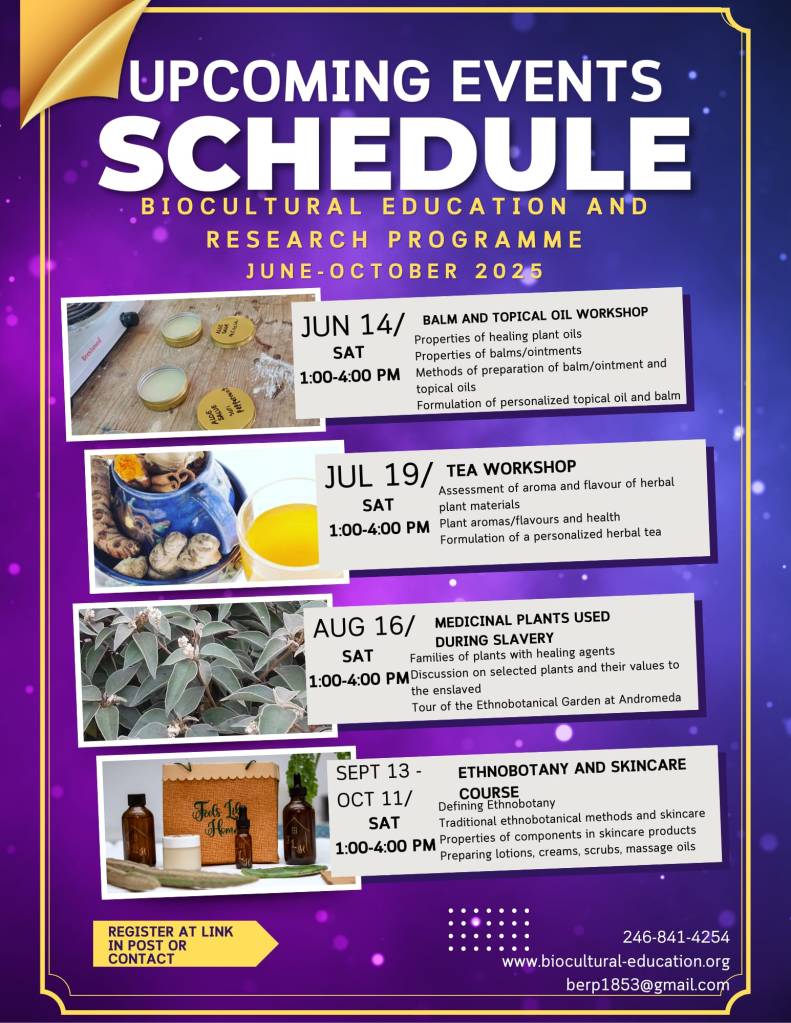
The AEG is a space of beauty and a valued resource for our courses and workshops, those created by BERP and the team at Andromeda. Garden Design, Planting Design, How to Use Colour in Your Garden, Butterflies – Identification and More, Teas, Body Oils, Ethnobotany – all taught by our Ethnobotanical Garden Team.
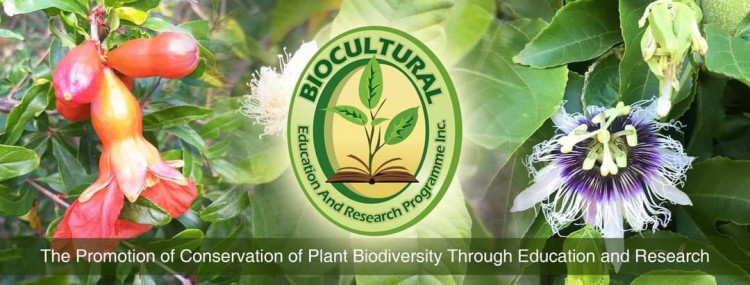
1. Community Deck 2022
Funded by Sandals Foundation and part of the original 2022 Ethnobotanical Garden. The Community Deck is used for design and ethnobotany workshops, weddings, picnics, yoga, sound baths etc. It is also a space to sit, listen to the ocean, the sound of the winds through the leaves, and to admire some magnificent trees including silk cotton trees (so many stories and cultural significance), a gigantic ficus tree, enormous Norfolk Island pines, and Madagascan almond trees.

2. Original Ethnobotanical Garden 2022
Community, conservation, beauty and sustainability were central to the creation of this unique space – from a dream in 2012 to a reality in 2022. The management team at Andromeda and BERP had a vision and a mission and these aligned with the project goals of Sandals Foundation.
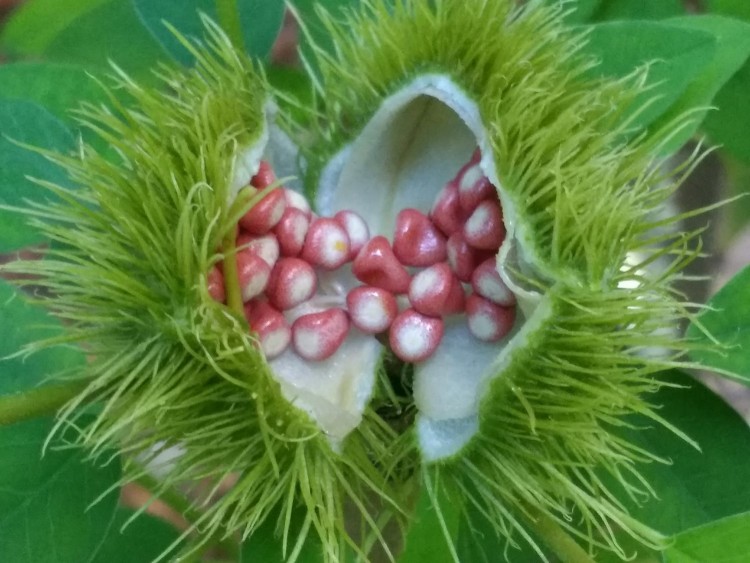
Click here for a short report ‘Andromeda Ethnobotanical Garden – A Celebration of Local – From Inception to Completion’

3. The Butterfly Haven and Pollinator Zone 2023, 2024, 2025.
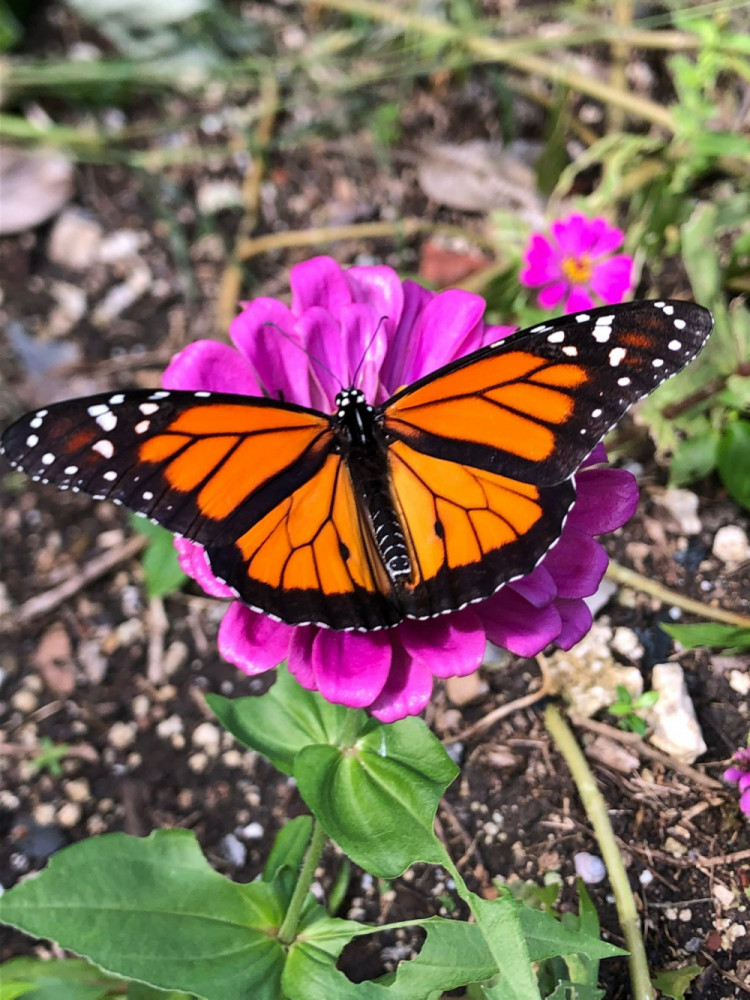
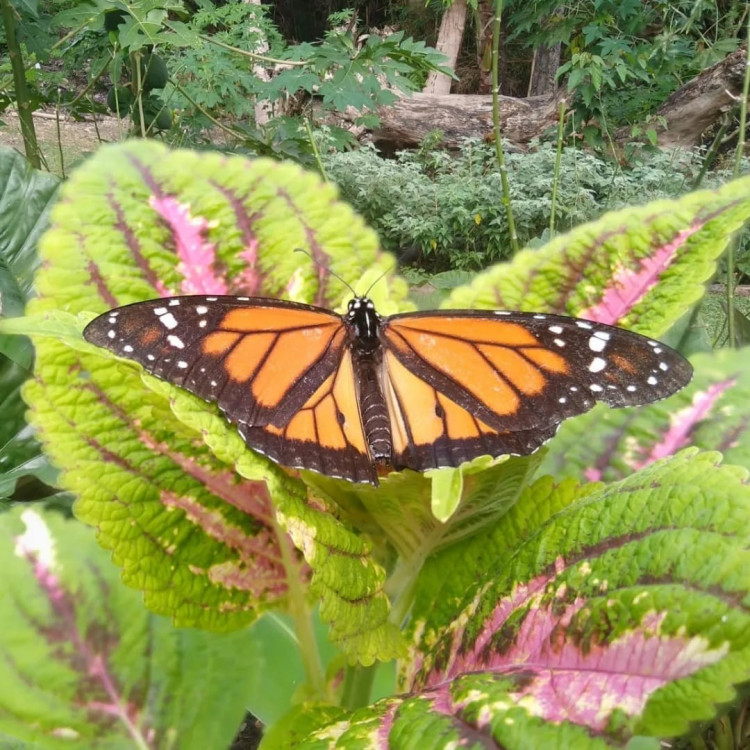
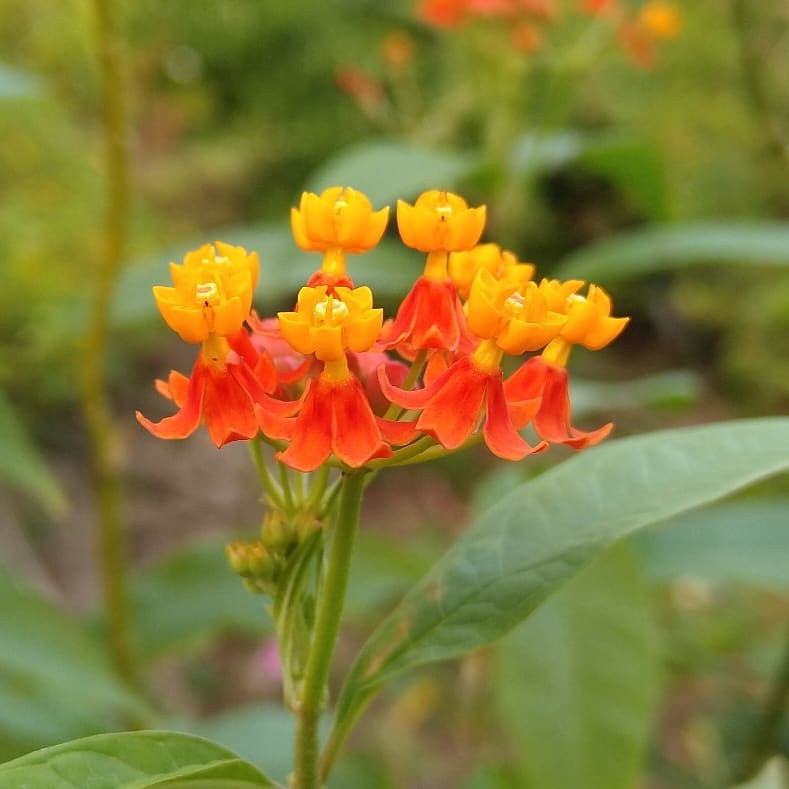
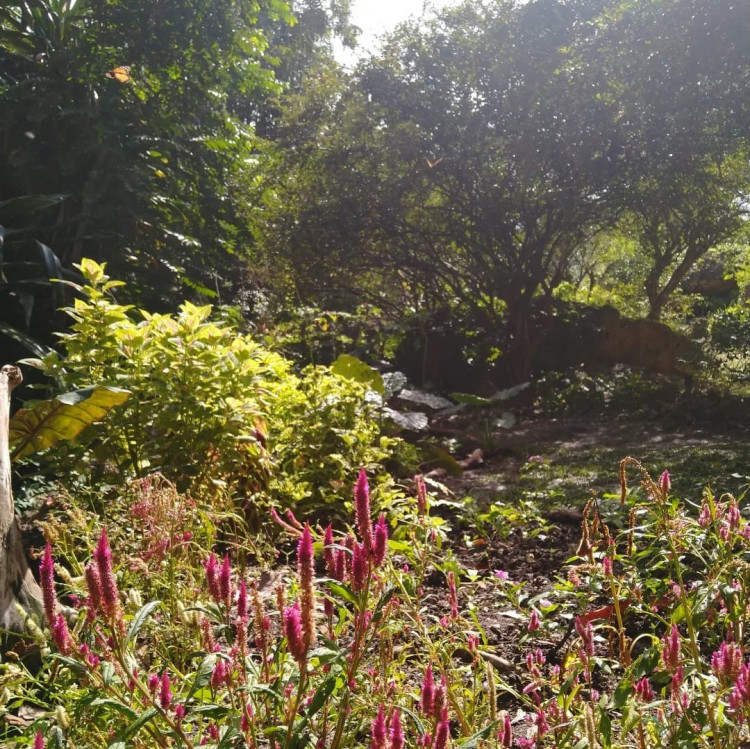
The enormous piles left over from the creation of the 2022 Ethnobotanical Garden were placed near the boundary. There were major issues with drainage and navigating the topography. We needed a solution and we had space to create something else. What did we do? We asked the local visitors what they enjoyed most about their experience in the Ethnobotanical Garden. Their response? Seeing butterflies! So we created a large Butterfly Haven in 2023, and we planted lots of local plant species, particularly from the Verbenaceae family, as well as exotic nectar-rich annuals.
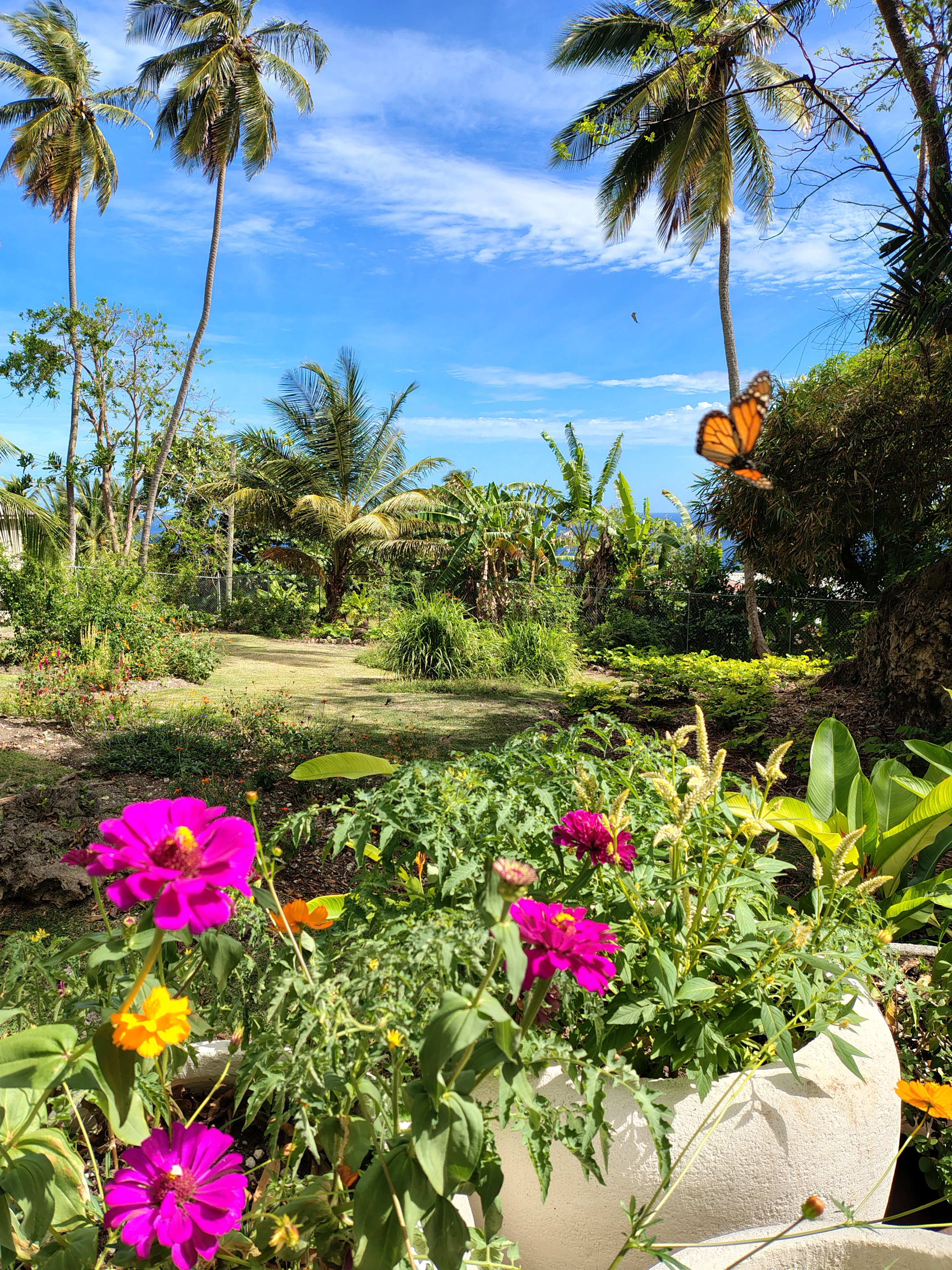
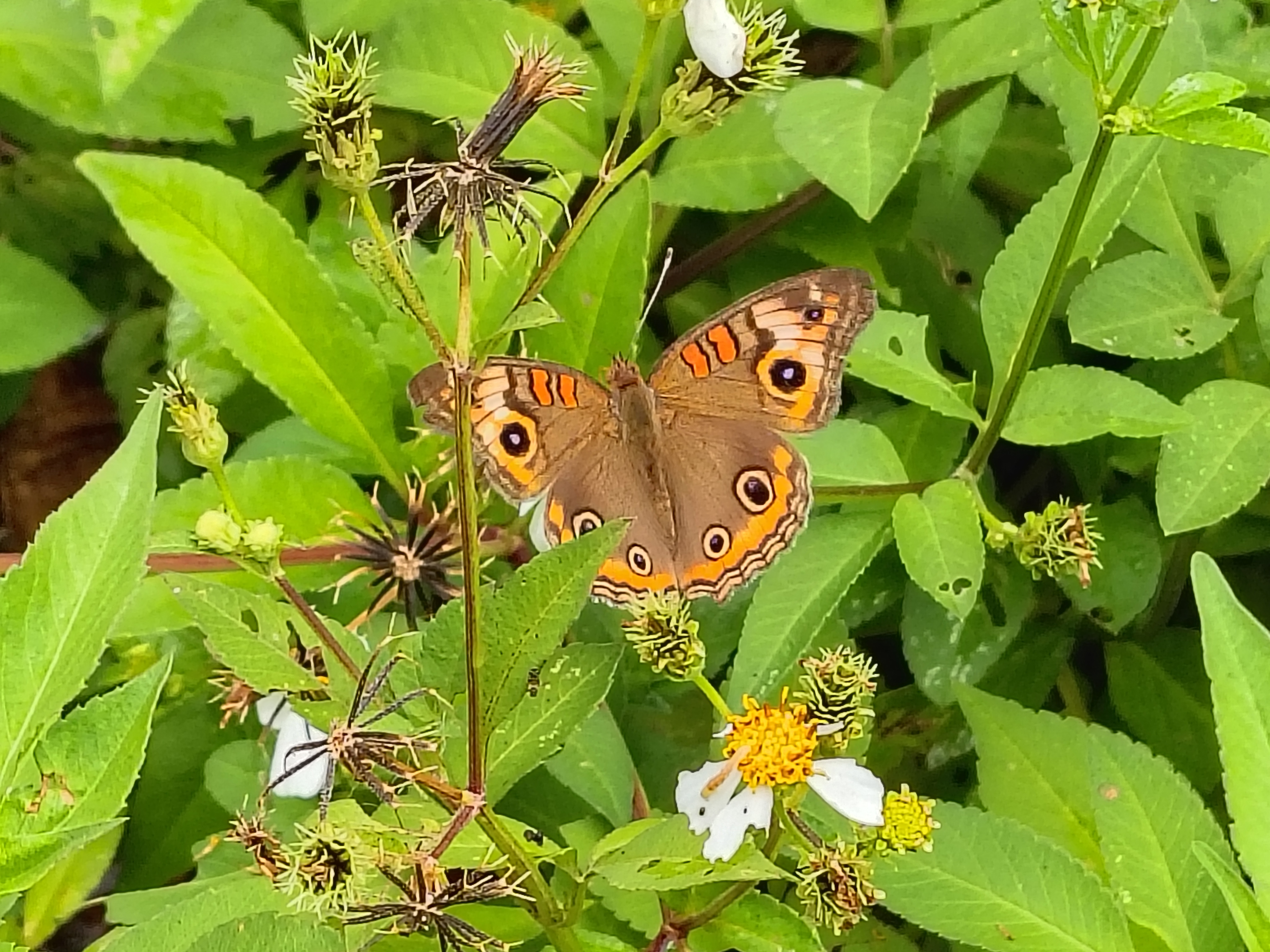
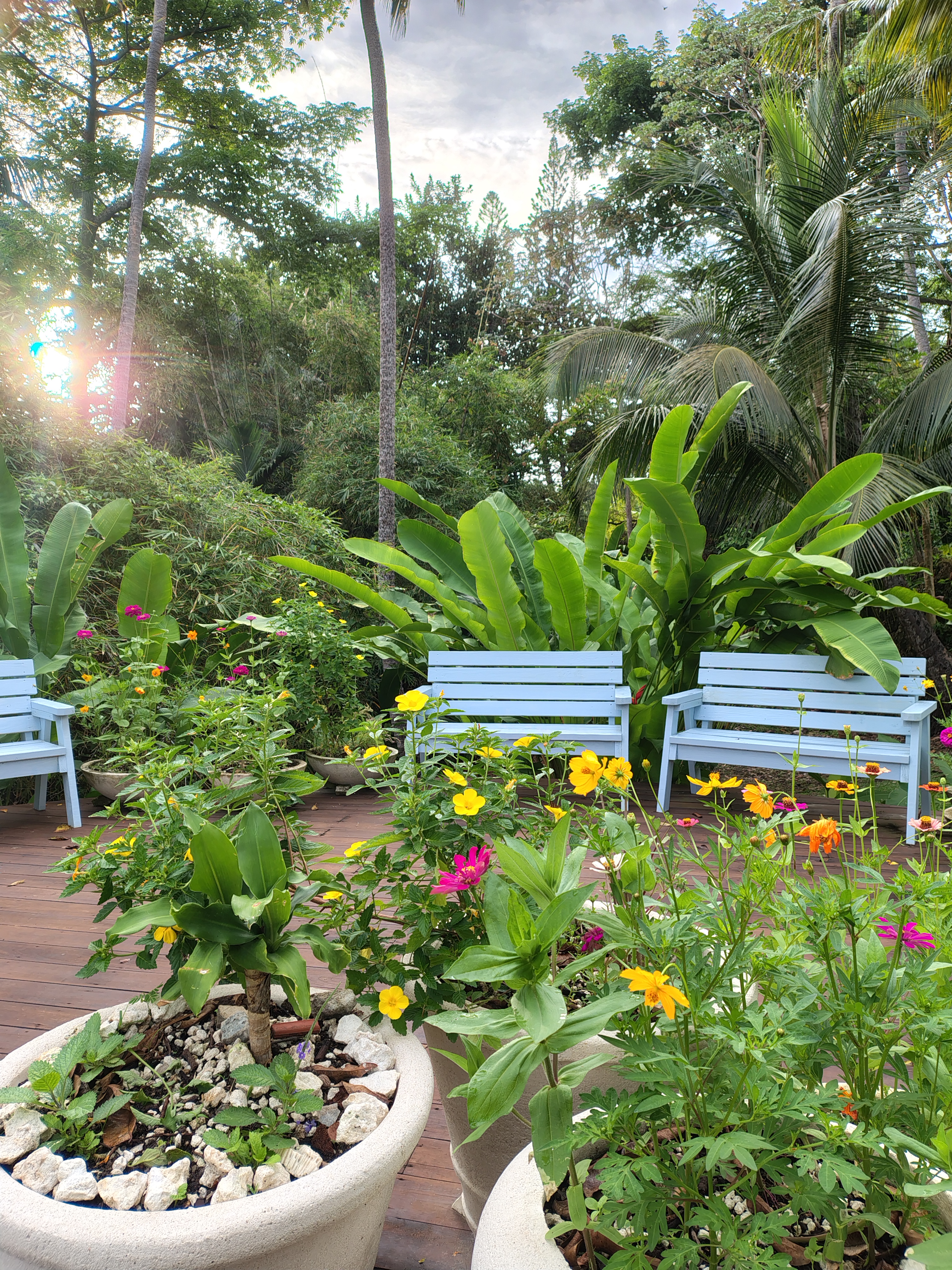
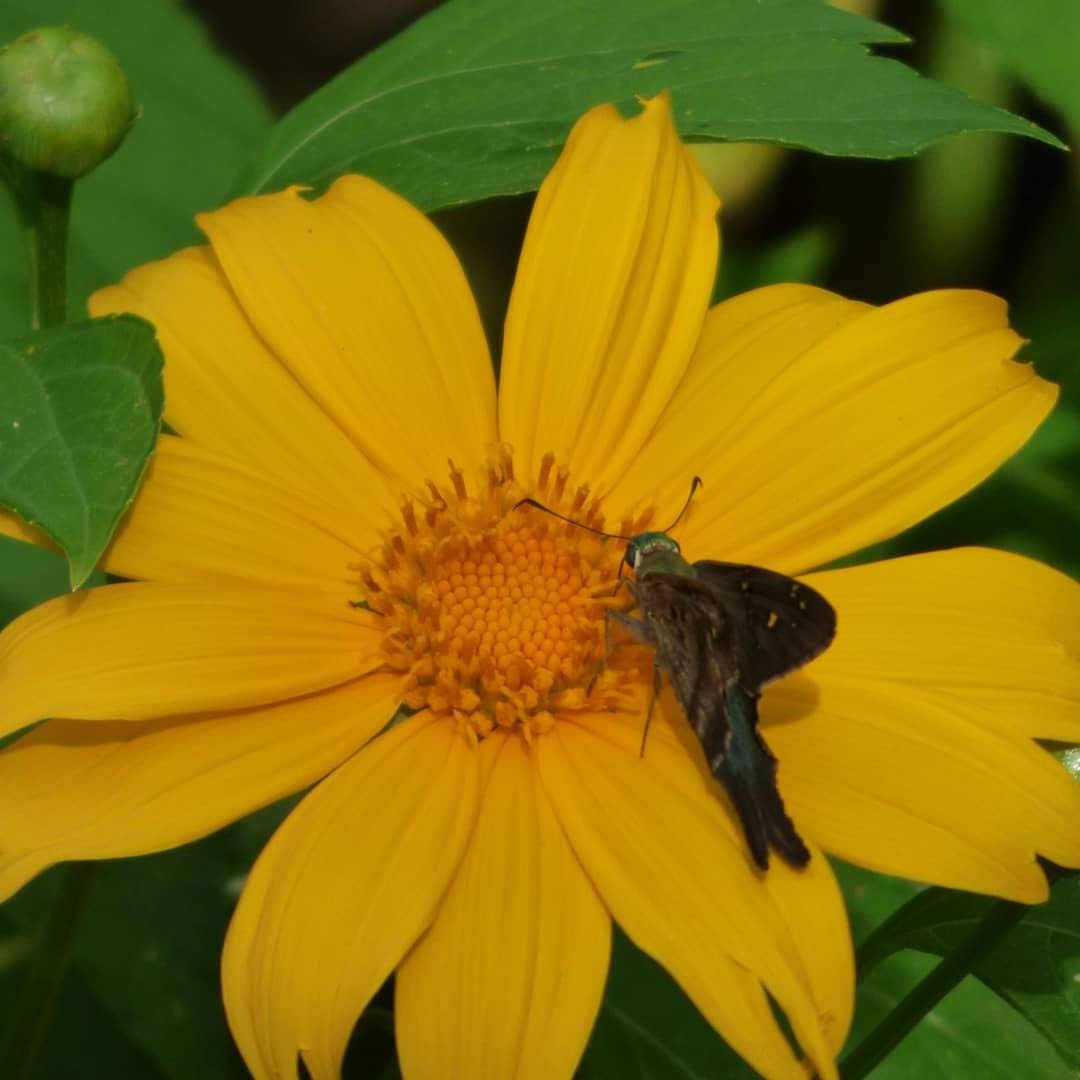
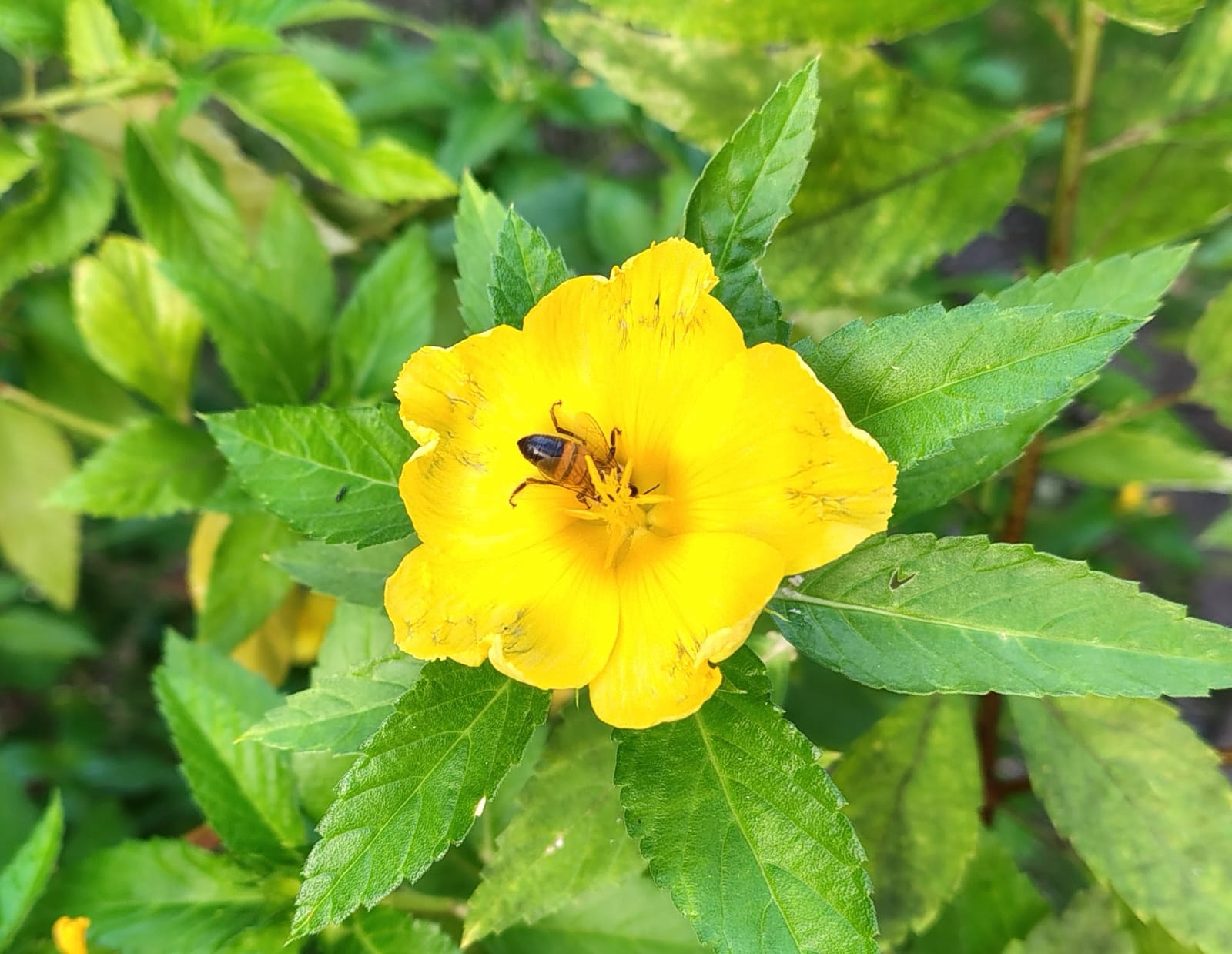
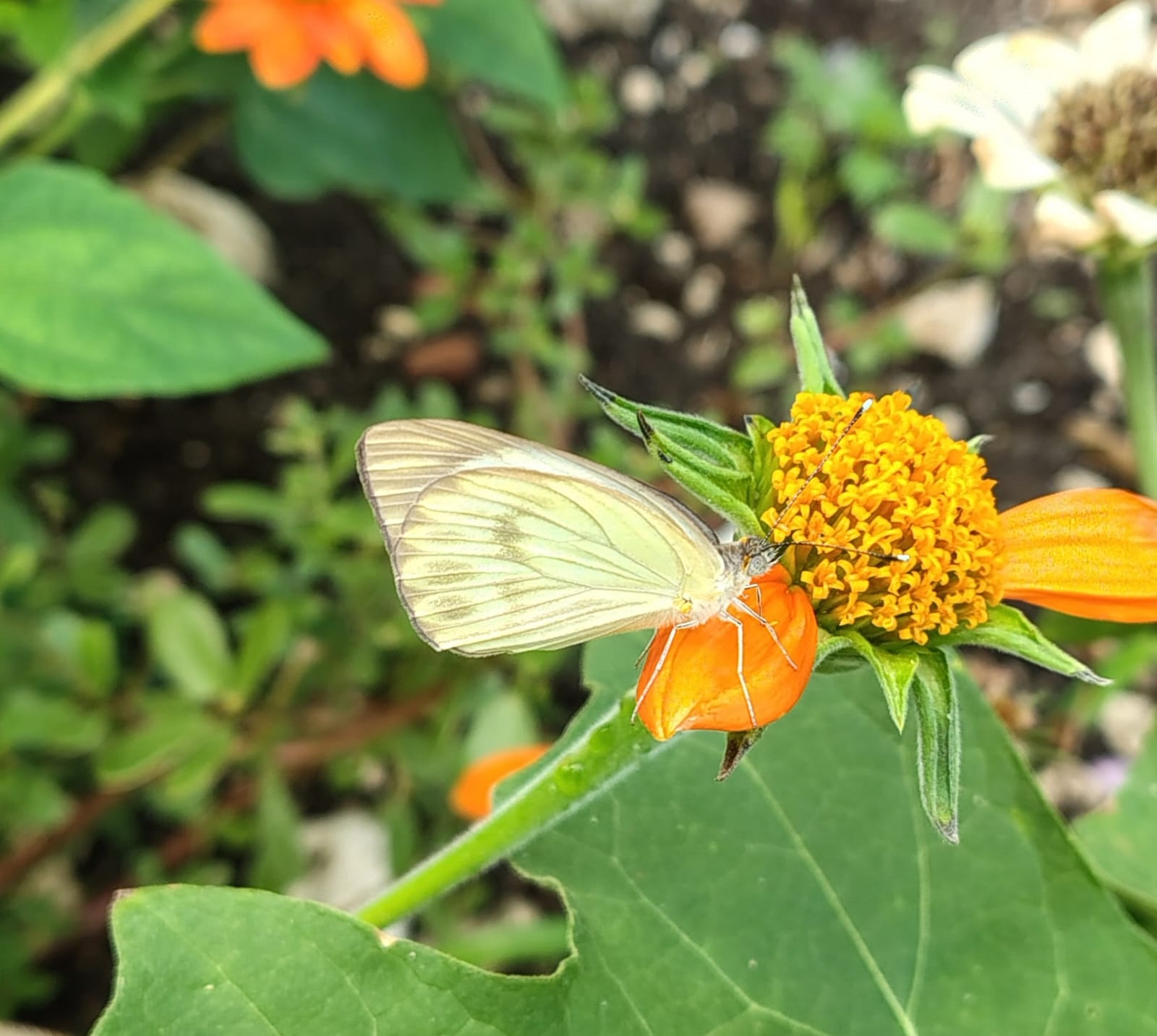
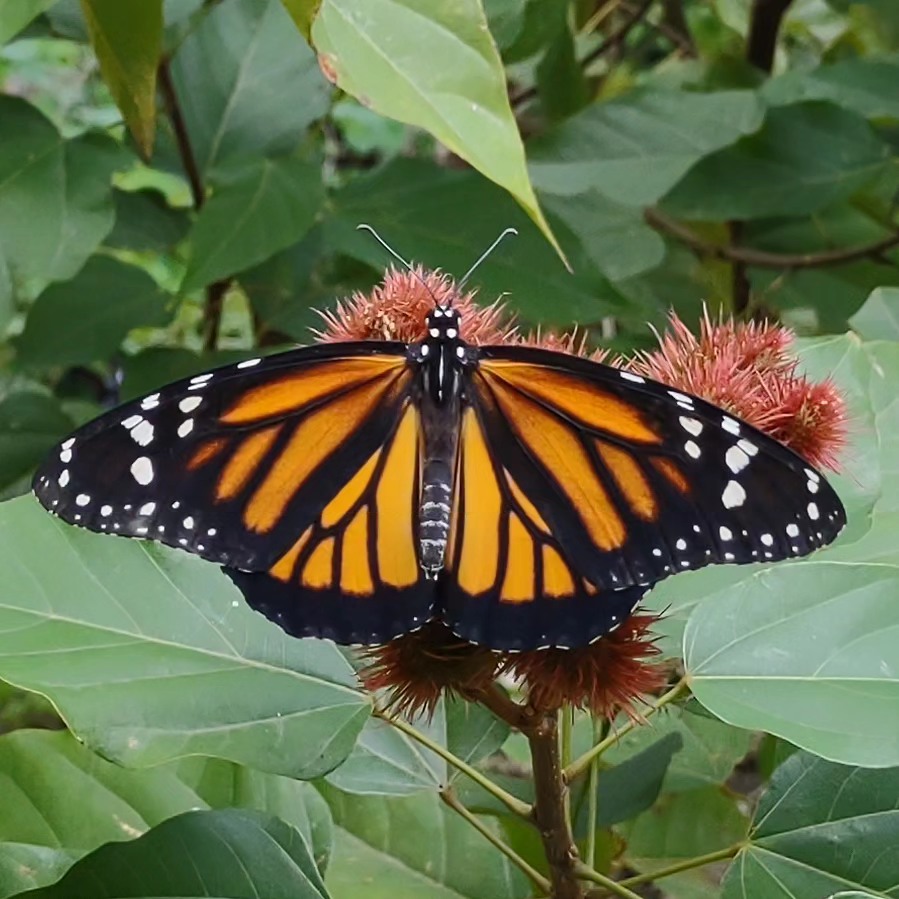

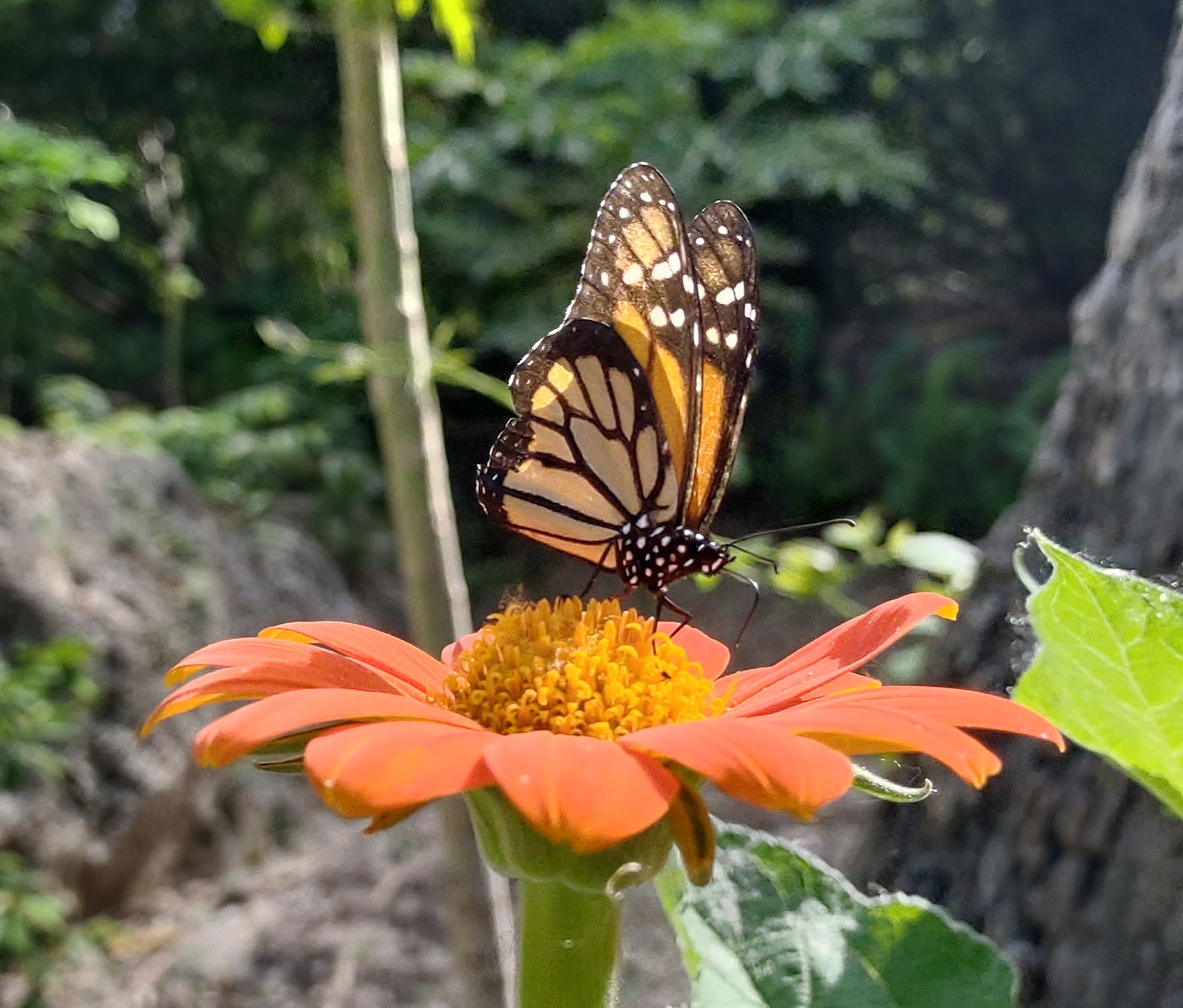
In 2024 we built a deck to provide a level seating area, and in 2025 we received funding for benches and pots from the Rotary Club of Barbados South to create a broader Pollinator Zone.
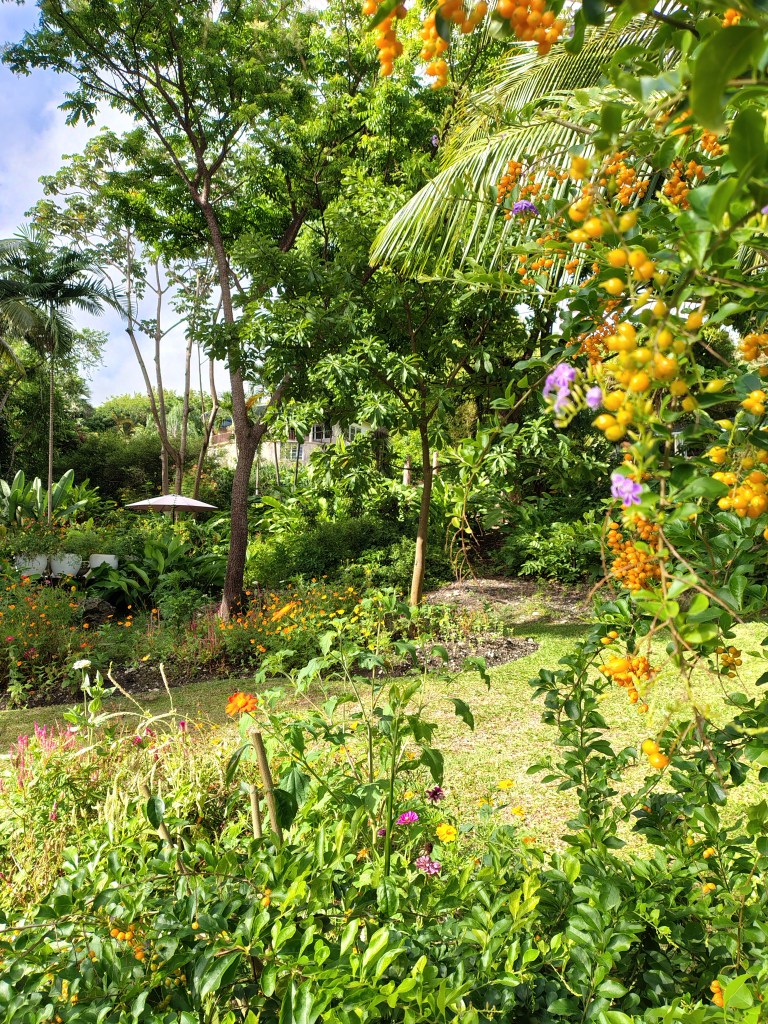
4. The Ground – Celebrating the Plants used Medicinally by the Enslaved People of Barbados 2024
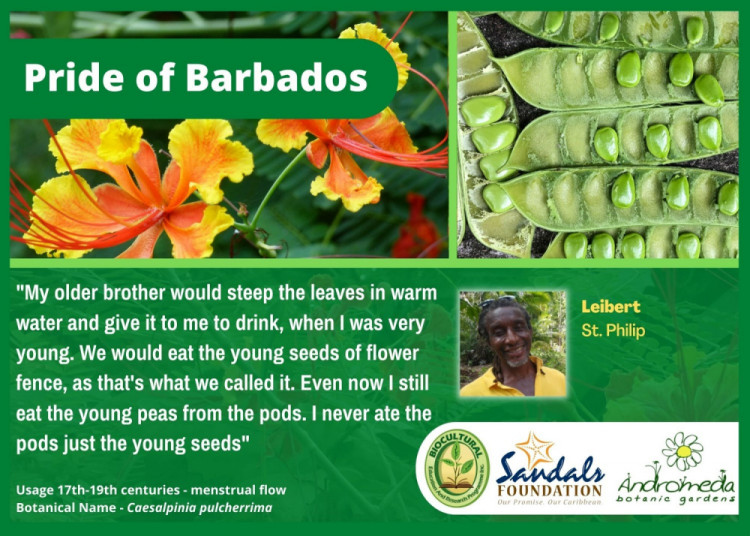
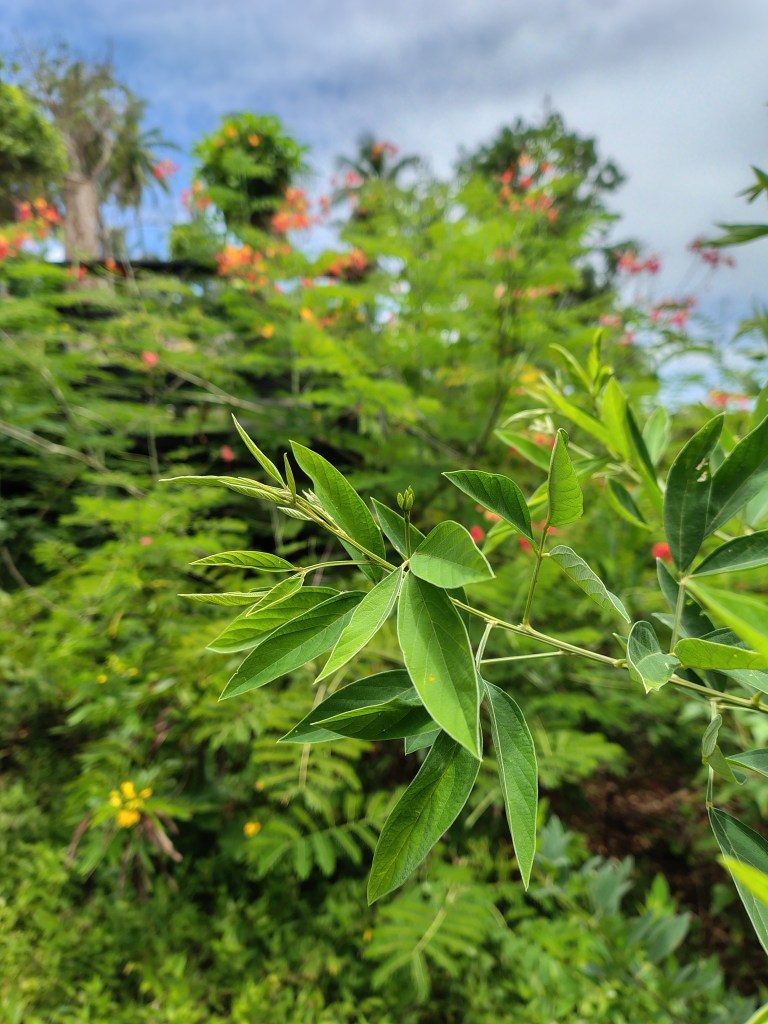
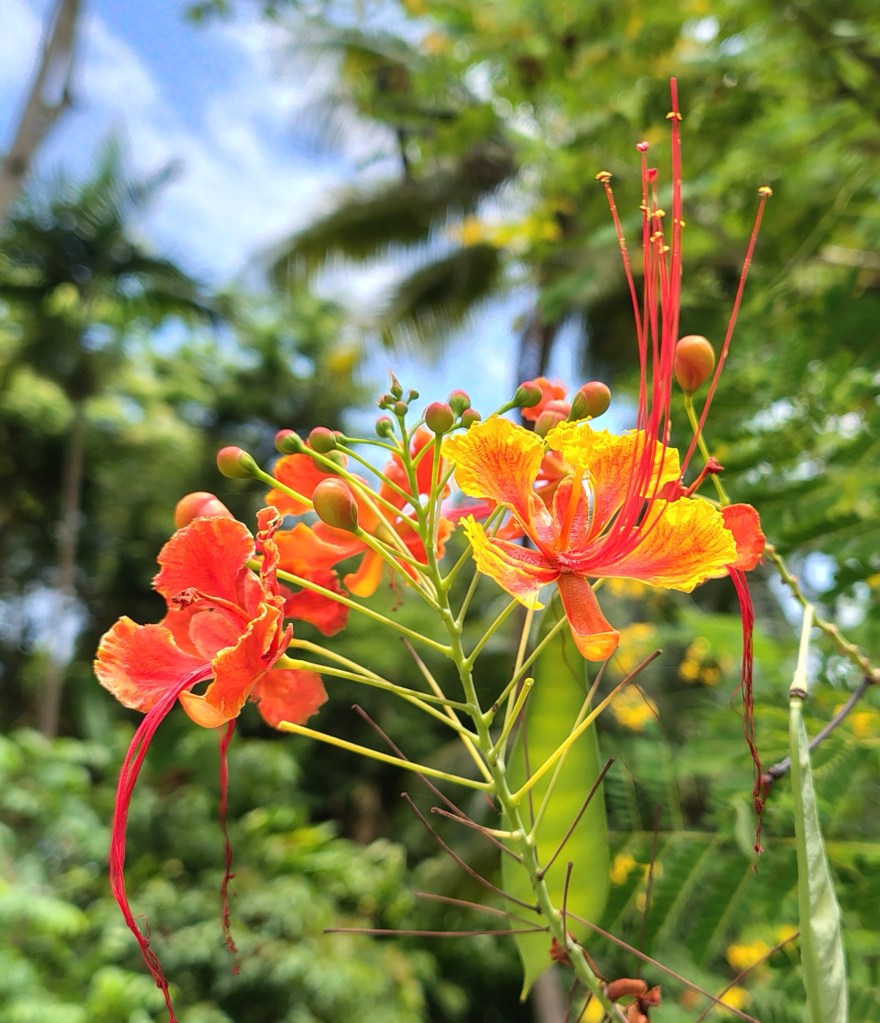
There are some surprising species in the list compiled by Jakobi and Handler. Plantain was used for eye infections, pigeon peas used for stomach issues, Spanish needles were used as a wound healer. This 2024 addition to our Ethnobotanical Garden has a small deck surrounded by Pride of Barbados (many uses), and looks out onto the Atlantic Ocean. We are currently expanding this garden to include our Green House, refurbished with major assistance from GlobalResolve and its students from Arizona State University.


5. African Connections Garden (Under Construction)
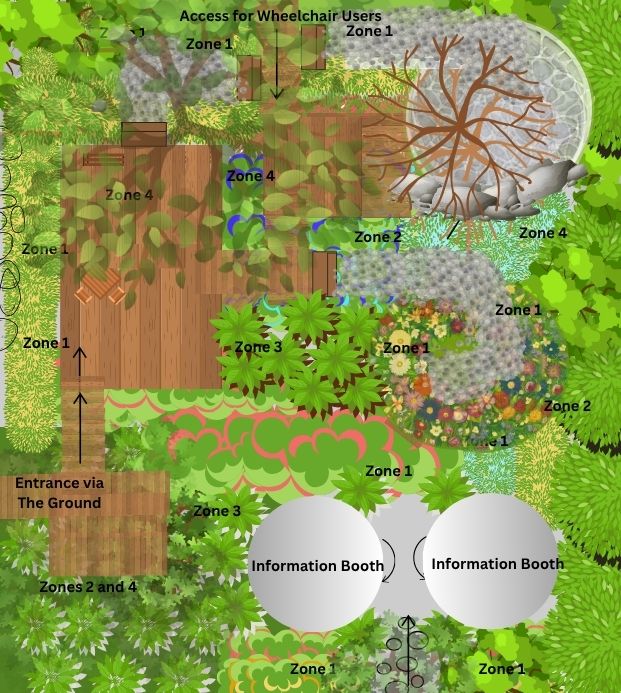
The fifth and final part of the Ethnobotanical Garden is being created right now. The African Connections Garden will be a highly ornamental space, mainly highlighting many common decorative plants that have a strong connection to the African continent. Giant Mexican sunflower, gerberas, Strelitzia, Bidens, Thunbergia and more.
Access for wheelchair users will be via Rochelle’s Garden, of course. The first upper deck is fully independently accessible. The lower deck is accessed via a steeper path – assistance is required. Other visitors will enter the ACG via the usual route through Andromeda.
The design of the space will ‘read’ aesthetically as African inspired, with decorative zig-zag motifs reflected in the colourful planting and the lively hard-landscaping. With the zig-zag in some African cultures referring to the uneven progress of life, there will be choices while exploring this fabulous beautiful space. There will be plenty of seating areas seating areas and different plant zones, including a section dedicated to Gerbera plants and this genus will be repeated through the space adding colour and hopefully attracting insect and pollinators.
The contrasts in shapes, colours and the design of the awkward space will be a resource for our courses, in particular the garden and planting design workshops. The chosen plants will be varied – some will be African natives such as gerberas as mentioned above. Others will be native to Barbados, such as the pretty yet under-appreciated Bidens, that have strong connections to parts of Africa.

So many of our wild native species are considered ‘just bush’ and unworthy of use in ornamental spaces. The African Connections Garden will challenge those misconceptions, providing new ways of seeing local ‘weeds’ and encourage people to give some of these plants an opportunity to show their worthiness in domestic gardens.
The ornamental use, across the world, be highlighted. Other ethnobotanical uses such as ritual, medicinal, food etc will also be shown on our interpretive signs. Show-casing and celebrating the full use of plants will add to appreciation of these wonderful species, providing education and learning within an informal and beautiful enviroment.
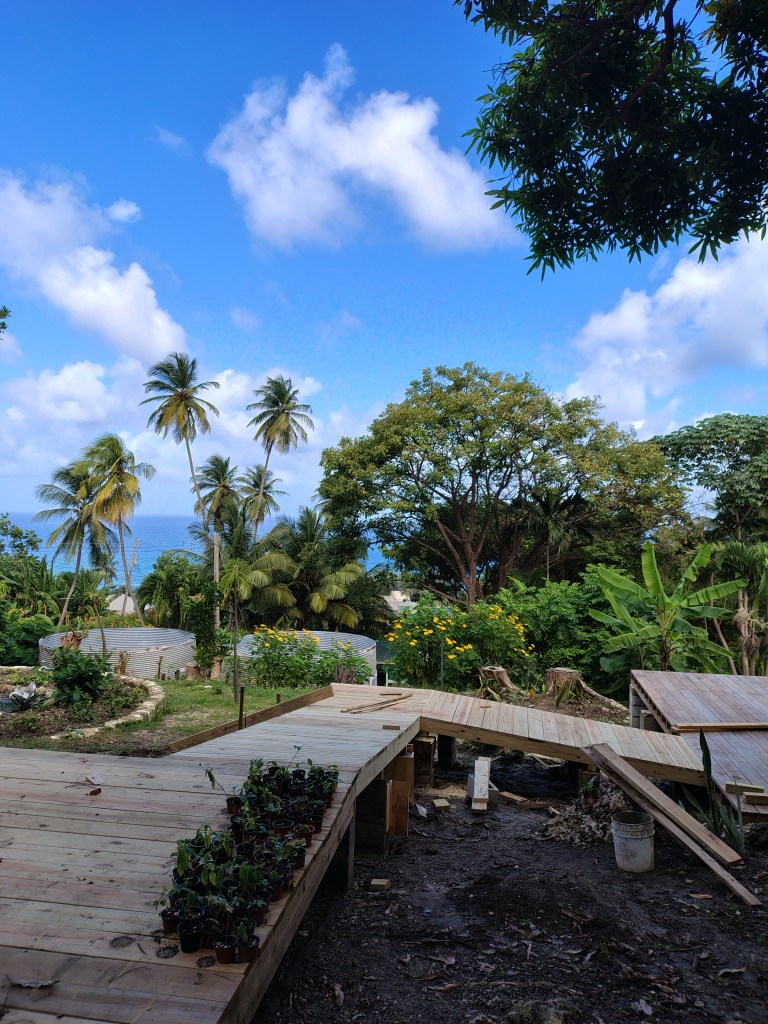
Below-The African Connections Garden after Site Clearance and Deck Construction.
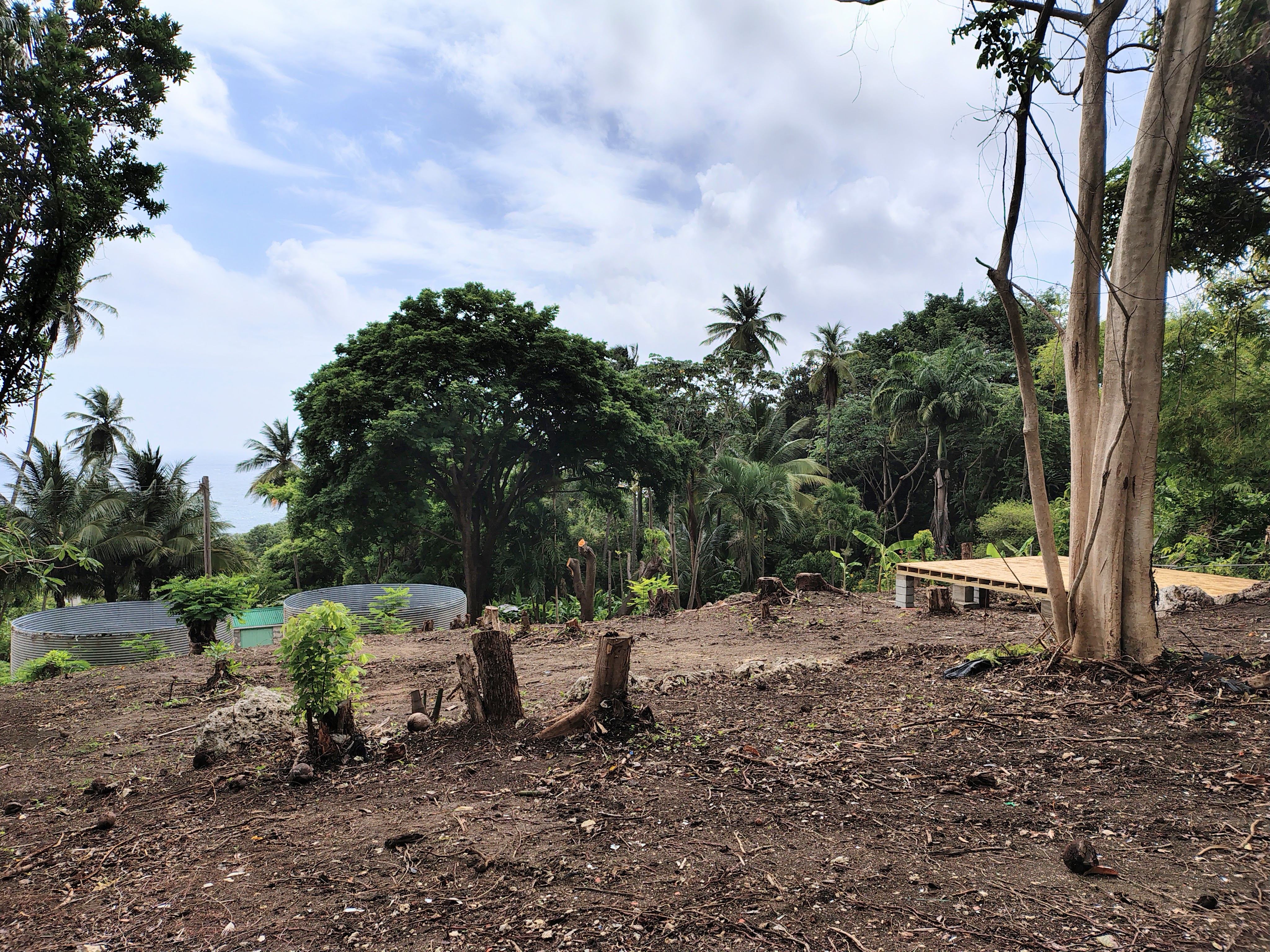
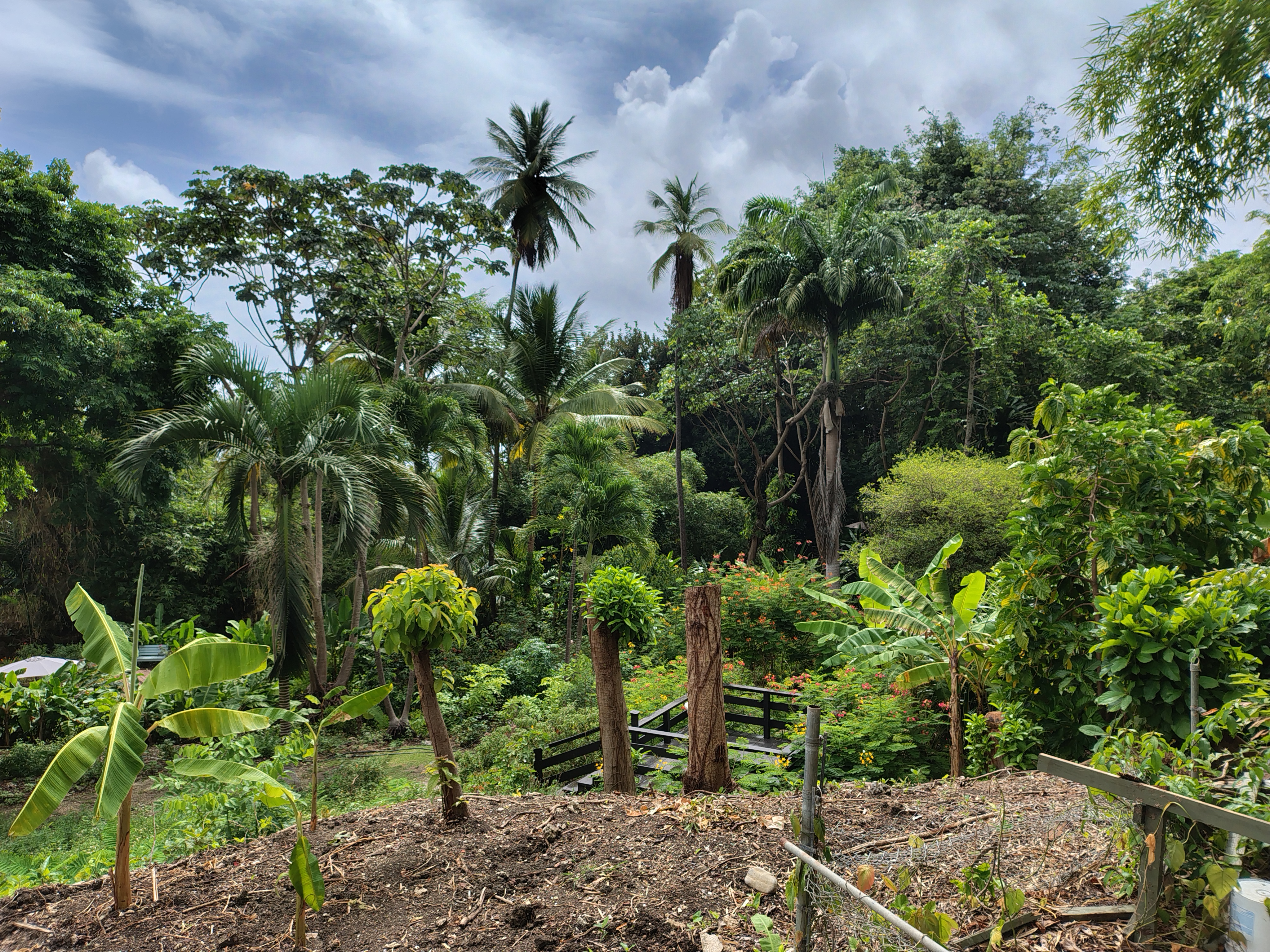
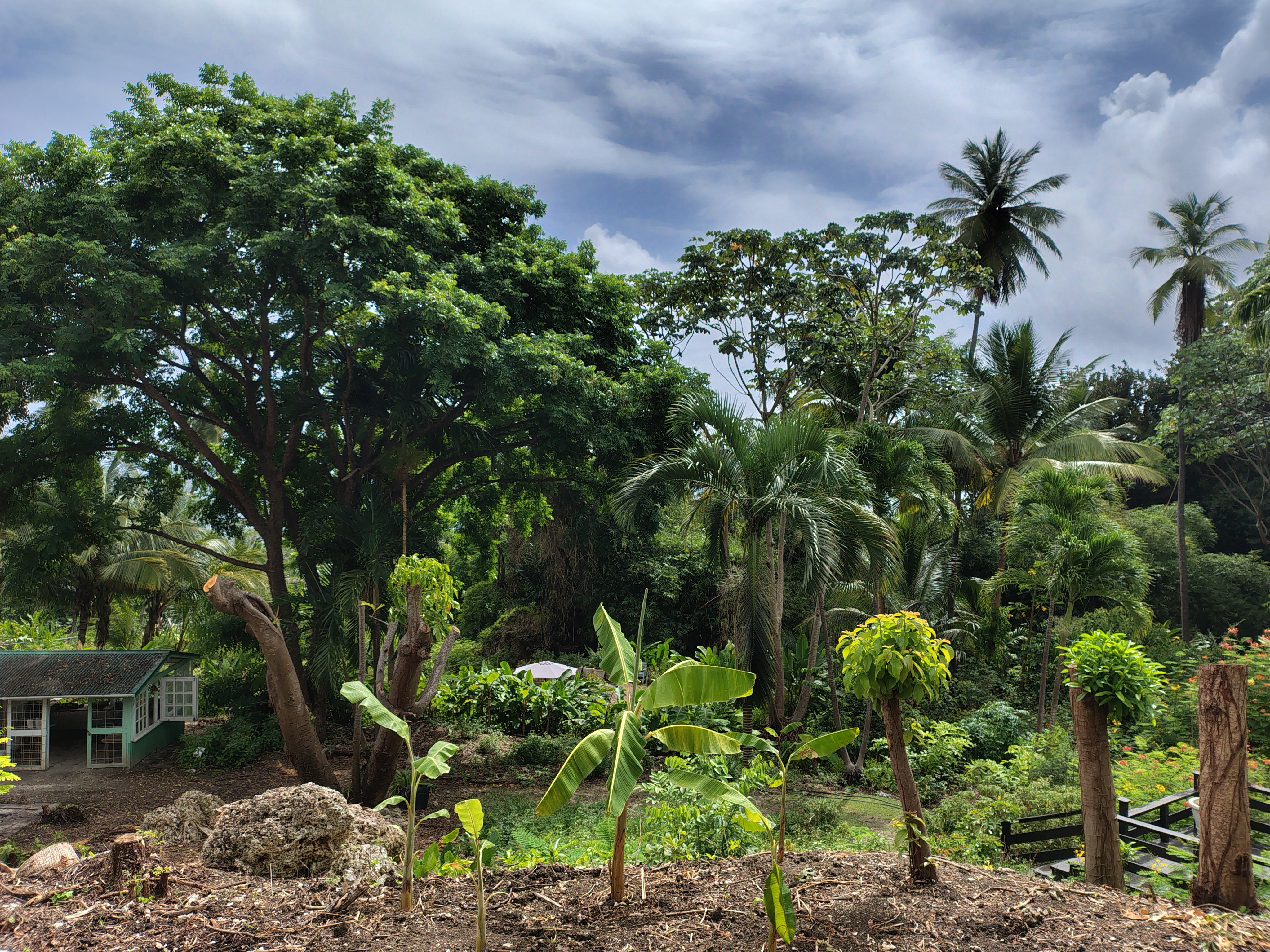
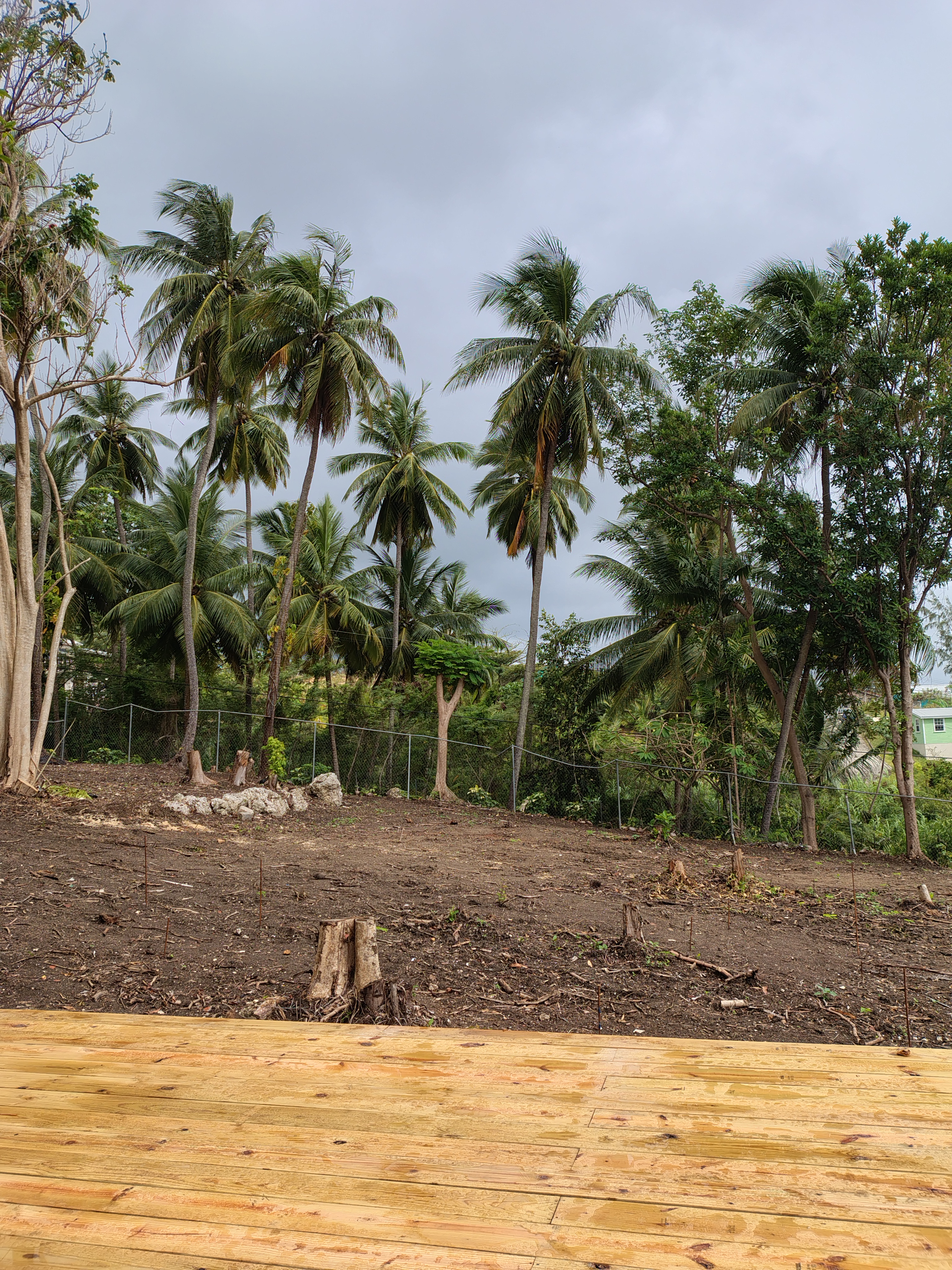
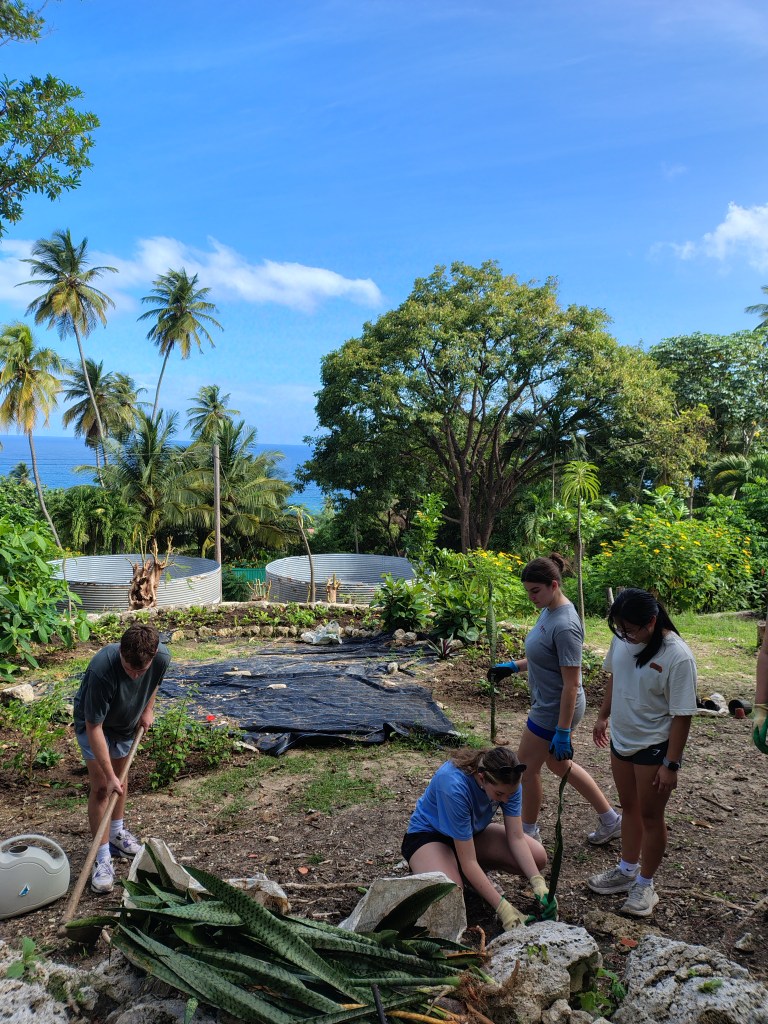
We’ve received sufficient funds to clear the site, refurbish the old water tanks and build some of the decks. Huge thanks to the three private donors. We’ve propagated lots of plants and have even placed some Giant Mexican sunflower cuttings. We intend to open the unfinished garden in February 2026 and hope to complete the project in September 2026. Please donate, if you can!
Ethnobotany workshops
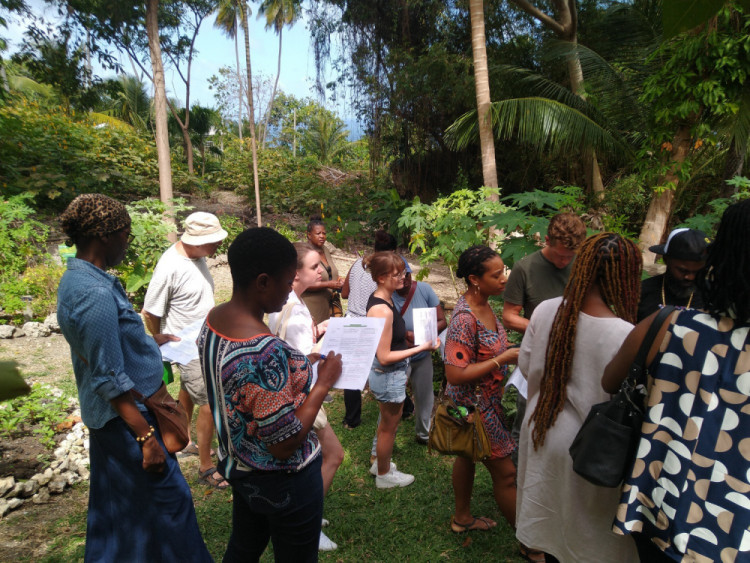
The Andromeda Ethnobotanical Garden has something for everyone. It is a space of beauty and truly celebrates how WE use plants.

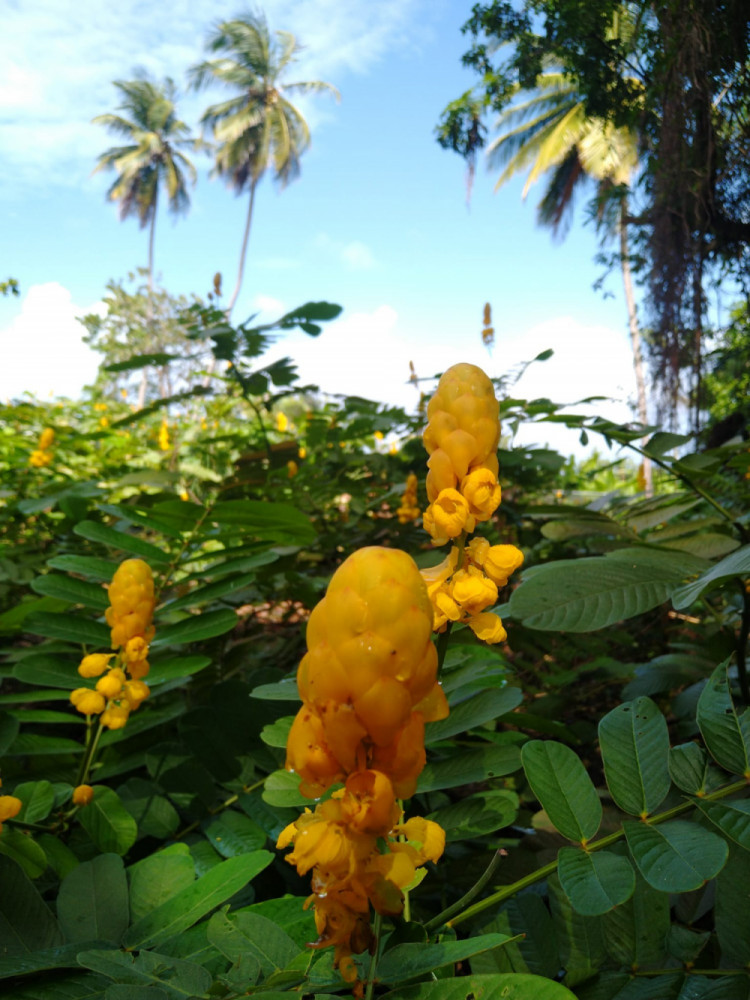

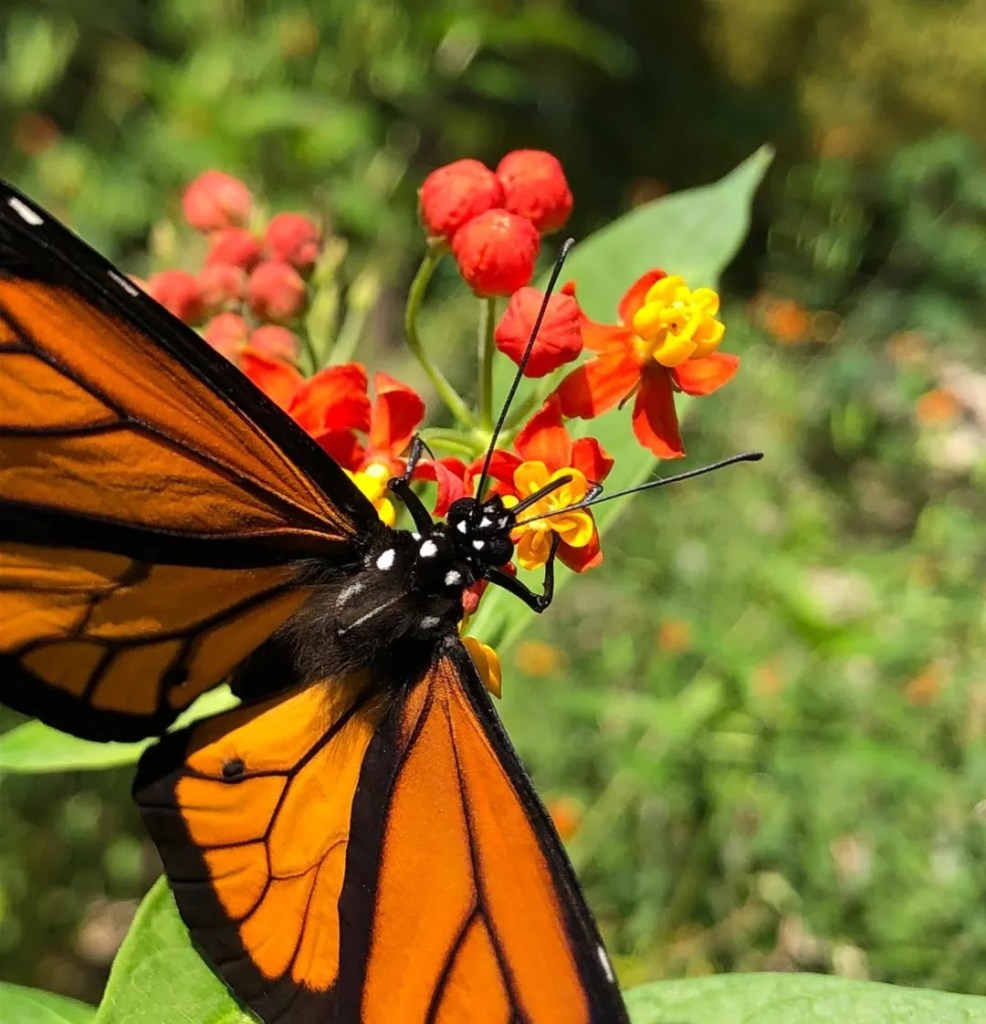

 Andromeda Botanic Gardens